
Holiday Travel Tips
Few things typify the holidays like hitting the road to share the magic of the season with family and friends. But with the road choked with other drivers, winter weather hazards, and long empty stretches of sleepy asphalt, a holiday road trip can quickly turn ugly.
Keep the joy meter pegged by taking a few precautions to prepare for your trip.
1. Get Your Pre-drive ZZZZZs - Drowsy driving is a largely unheralded hazard, taking a back seat to more socially active no-no's like texting and drinking while driving. A sleepy driver is a gigantic hazard to themselves, passengers and everyone on the road. Make sure you are well rested for the drive and you will find the trip much safer and more enjoyable.
2. Secure the ...[more]
Driving Safely with Nature
North American roads cover millions of miles of landscape through habitats that vary from desert and grassland to mountain or forest and everything in-between. While we enjoy the freedom of the open road, we are nearly always crossing through the homes of wild creatures which may venture out on the road at the worst time possible. 
Follow these tips to avoid a collision with our natural neighbors.
1. Pay Attention - It may seem like the most basic of instructions, but in our tech-crazy world too often we are looking at things other than the road. Don't let a quiet highway lull you into a sense of false security. An animal can wander onto the road at any moment. Keep your eyes alert and watch for movement. When driving between stands of tree ...[more]
Driving is Dangerous
Most of us at one point or another will experience a car crash of some kind. Believe it or not, driving is one of the most dangerous things that we do. Milstead Automotive understands what our customers go thru after an automobile crash. Here are a few tips on what to do from the moment of the accident until your vehicle is in the shop for repairs.
Move the vehicle out of the road or away from oncoming traffic! 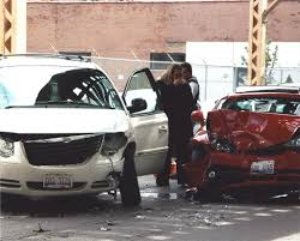
So many injuries are sustained from secondary collisions. As soon as you safely can move your vehicle away from traffic so no one else and hit your vehicle or hit someone else while avoiding you. Once you are out of harm’s way, shift your car into park and turn on your hazard lights
Make ...[more]
Top 10 Things to Check When Buying a Used Car
Buying a used car can be a great experience or a complete nightmare, depending on what you know when you sign on the bottom line or hand over your hard-earned cash to the seller. While most used car establishments are reputable, there are still some that will be happy to sell you a little less car than you bargain for. As a matter of fact, some dealers and individual sellers simply don't know the history or the problems with a car when they offer it to you.
Check these ten important things before you agree to buy a used car.
1. The Oil Dipstick - You can tell a lot about an engine and a car owner from the dipstick. Pull it out, wipe it off and put it back, then carefully pull it again. Note the oil level. If it is over ...[more]
Why You Should Never Skip a Tire Rotation
The cornering and rolling forces on each of your tires are different. If you have a front wheel drive car, the power and most of the force is transmitted to the front tires while the rear tires pretty much just follow along like fixed wagon wheels. A rear-wheel drive car or truck sends power to the back while steering forces are handled by the front wheels. All-wheel drive and 4wd have their unique power, steering and cornering characteristics as well.
The point is, your front left tire is going to wear differently than your right rear tire, or for that matter, any of the other tires vary at each corner of the vehicle because of the force and friction.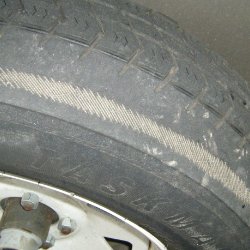
The solution to this problem is tire rotation. Tire rotation involves removing your wheels and tires from ...[more]
Cool Summer Car Gadgets and Gizmos
The automotive aftermarket offers thousands of cool gadgets and gizmos to make your summer driving experience safer, more comfortable and way more entertaining. Here are the top ten coolest of the cool gadgets for 2017:
1. Dash-cam - It seems like there are cameras everywhere today, and there is no better place to put one than on your dash. If something exciting or dangerous happens while you are driving, the dash cam will catch all the action. You can use this as evidence in case of a crash, traffic stop or a crime, or simply catch an unexpected bit of crazy video and become a social media sensation. Dash cam kits are generally easy to install, with suction cups that simply mount on the windshield and a USB or 12v power port plug for power.
2. Electronic Parking Guide - Wire up the Precision Parking Park-Zone system and get audible warnings before you hit an obstacle or another car. Great for parallel par ...[more]
What's Leaking From My Car?
What Happened to My Fuel Economy?
You notice that suddenly your vehicle seems to be getting worse gas mileage than it did awhile back. Why? What happened?
Like with most things on your vehicle, there can be numerous problems at the root of poor fuel economy. Let’s start with the simple ones and work our way to the more complicated issues:
Tires: This one’s easy. Underinflated tires mean more rolling resistance (think about riding a bike with a low tire), and more rolling resistance means poorer fuel economy. Check your tire inflation at least once a month, while the tires are cold, using a good quality tire gauge. Even a pound or two of underinflation can be enough to cause problems!
Air filter: The air filter is made of pleated paper or fabric elements which prevent pollen, dust and particulates from entering the fuel system where they could do some real damage and cause wear. A clogged air filter can literally smother the engin ...[more]
How To Maintain A New Car
So you got a new set of wheels – congratulations! You’re going to want to hang onto it as long as possible, so you’ll want to keep it maintained as well as you can. Here are some suggestions:
First, read the owner’s manual carefully and stick to manufacturer’s recommendations for service intervals. There are certain things that are critical enough that failure to adhere to recommendations can void a new car warranty. Don’t let that happen!
For instance, just about every manufacturer recommends synthetic oil for their engines; it provides better protection in just about every respect, and it’s more stable at high and low temperatures. If your owner’s manual prescribes a 10,000-mile oil change, stick with that and be sure to use the brand and grade of motor oil called for in the manual.
Apply a good coat of wax to your vehicle, and another one on top of that. A properly waxed vehicle does more than jus ...[more]
Spark Plugs – How Often Should They Be Replaced?
In the old days, a tune-up was necessary about every 35,000 miles. It would usually consist of setting the ignition timing, replacing the mechanical breaker points in the ignition, cleaning and adjusting the carburetor and replacing the plug wires and spark plugs. Today, of course, the carburetor’s job is done by fuel injection and the ignition timing and spark are controlled by the engine computer. Few vehicles still have plug wires anymore either, as the distributor was replaced by the computer and a coil-on-plug design which delivers a spark at each spark plug.
But what about the spark plugs themselves, though? How often do they need to be replaced now?
Manufacturers tout an 80k-100k mile service interval on spark plugs now, thanks in part to improvements in plug design and materials. That might be stretching it, however. Remember that if you have a 100,000-mile spark plug, its ele ...[more]
| << Previous | 1234 | Next >> |
Archives
Tags
