
Milstead Collision
1602 Rayford Road
Spring, TX 77386
281-363-1101
From a Smart Car to an RV and everything in between; we know how to satisfy your automotive needs.
  • Home
  • Services
    • Schedule Appointment
    • Car Care Tips
    • Vehicle Pick Up Service
  • Towing
  • FAQ
  • About
    • Coupons
    • Gallery
    • News Center
    • Employment
    • Customer Reviews
  • Contact
  • Home
  • Services
    • Services
    • Schedule Appointment
    • Car Care Tips
    • Vehicle Pick Up Service
  • Towing
  • FAQ
  • About
    • About
    • Coupons
    • Gallery
    • News Center
    • Employment
    • Customer Reviews
  • Contact
SCHEDULE APPOINTMENT|
24 HOUR TOWING|
FREE ESTIMATES|
SCHEDULE APPOINTMENT|
24 HOUR TOWING|
FREE ESTIMATES|
Thank you for your quote request. A representative will get back to you shortly. For immediate assistance please call .
Your Information:

Your Vehicle:

— OR — Let us find your vehicle info for you:
* Required Field

Collision Repair & Services

  • Air Filter Tips
  • Belt Tips
  • Cooling System Tips
  • Engine Diagnostics Tips
  • Monthly Checklist Tips
  • Oil Change Tips
  • Tire Rotation Tips
  • Transmission Fluid Flush Tips
  • Wheel Alignment Tips

← Back

Car Care Services

Take a few moments and become familiar with our Services link with more detail on all aspects. Take care of your car and it will take care of you. Following basic car maintenance tips can help keep you on the road and out of the repair shop. A little vehicular TLC can even help stretch your fuel dollar and help the environment too.

Here are some Car Care guidelines:

Battery

Most car batteries today are maintenance-free, sealed and can last more than three years. The first sign your battery should be replaced is often trouble starting the engine.

Tires

A car tire inflated to 35 pounds per square inch (psi) can lose one psi every month or for every 10 degrees Fahrenheit of temperature change, so your car maintenance checklist should include checking tire pressure. Find the recommended level in the owner’s manual or on a sticker on the driver’s side door jamb. And don’t forget the spare.

Rotate tires every 6,000 miles to prevent uneven wear, replace them when they become worn and have the alignment checked if the car pulls to either side when driving or if you notice uneven tire wear.

Engine oil

Checking and changing oil is critical to keep today’s engines running properly and efficiently. Follow manufacturer guidelines for changing the lubricant – generally, every 3,000 miles or three to six months.

Check the oil level with the engine off and the car parked on a level surface. Open the hood, remove the dipstick, wipe it clean with a cloth or paper towel, then return it to the oil reservoir. Take it out again and see whether the level is within the acceptable range marked on the dipstick. If you add oil, don’t overfill, which can damage the engine.

Transmission fluid

Checking the automatic transmission fluid is another vital item on the car maintenance checklist. Look for a reservoir marked ATF (automatic transmission fluid) and follow the same steps as monitoring the oil level – only this time, with the engine running. Follow manufacturer’s recommendations for change intervals, about every 30,000 miles.

Engine coolant

Replace most engine coolant or antifreeze every 30,000 miles – or every two to three years. Newer formulas, however, may last up to 50,000 miles. To check coolant level, turn the car off and wait for the engine to cool. Locate the coolant reservoir (usually a translucent plastic tank) and eyeball the level of the coolant against the full and low indicators.

Power steering fluid

Power steering fluid should be changed every three years or 50,000 miles. If you have a power steering fluid reservoir, check the level visually; otherwise, follow the dipstick method. Low power steering fluid may indicate a leak, so have your mechanic take a look.

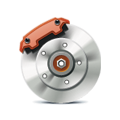
Brakes and brake fluid

Check to ensure that brake fluid levels are within tolerance. How often you need to replace brake pads or other components depends on how you drive and typical driving conditions. Warning signs of a brake problem include noise, vibration or “grabbing” when you apply the brakes. Working on your brakes is a job probably best left to the professionals.

Air filter

Basic car maintenance suggests changing your air filter each year or every 12,000-15,000 miles. A clean air filter can help your engine “breathe” better and improve gas mileage and reduce harmful emissions.

Fuel filter

Replace it annually to help prevent debris from clogging your car’s fuel line.

Windshield wipers and wiper fluid

Windshield wiper care is one of the most neglected basic car care tips. Replace the blades every six to 12 months or whenever the rubber becomes worn. Check the wiper fluid reservoir every week or so and keep it full.

Headlights and brake lights

With your car turned on and parked, have someone walk around to see that your lights are working – headlights, brake and tail lights, turn signals, etc. Replacing bulbs in today’s vehicles can be a challenge. Have a mechanic do the job, particularly replacing and aiming headlights. A pro also knows if the problem is a blown fuse, not a burned out bulb.

← Back

Car Care Services

Request a Quote
Schedule Appointment

Take a few moments and become familiar with our Services link with more detail on all aspects. Take care of your car and it will take care of you. Following basic car maintenance tips can help keep you on the road and out of the repair shop. A little vehicular TLC can even help stretch your fuel dollar and help the environment too.

Here are some Car Care guidelines:

Battery

Most car batteries today are maintenance-free, sealed and can last more than three years. The first sign your battery should be replaced is often trouble starting the engine.

Tires

A car tire inflated to 35 pounds per square inch (psi) can lose one psi every month or for every 10 degrees Fahrenheit of temperature change, so your car maintenance checklist should include checking tire pressure. Find the recommended level in the owner’s manual or on a sticker on the driver’s side door jamb. And don’t forget the spare.

Rotate tires every 6,000 miles to prevent uneven wear, replace them when they become worn and have the alignment checked if the car pulls to either side when driving or if you notice uneven tire wear.

Engine oil

Checking and changing oil is critical to keep today’s engines running properly and efficiently. Follow manufacturer guidelines for changing the lubricant – generally, every 3,000 miles or three to six months.

Check the oil level with the engine off and the car parked on a level surface. Open the hood, remove the dipstick, wipe it clean with a cloth or paper towel, then return it to the oil reservoir. Take it out again and see whether the level is within the acceptable range marked on the dipstick. If you add oil, don’t overfill, which can damage the engine.

Transmission fluid

Checking the automatic transmission fluid is another vital item on the car maintenance checklist. Look for a reservoir marked ATF (automatic transmission fluid) and follow the same steps as monitoring the oil level – only this time, with the engine running. Follow manufacturer’s recommendations for change intervals, about every 30,000 miles.

Engine coolant

Replace most engine coolant or antifreeze every 30,000 miles – or every two to three years. Newer formulas, however, may last up to 50,000 miles. To check coolant level, turn the car off and wait for the engine to cool. Locate the coolant reservoir (usually a translucent plastic tank) and eyeball the level of the coolant against the full and low indicators.

Power steering fluid

Power steering fluid should be changed every three years or 50,000 miles. If you have a power steering fluid reservoir, check the level visually; otherwise, follow the dipstick method. Low power steering fluid may indicate a leak, so have your mechanic take a look.

Brakes and brake fluid

Check to ensure that brake fluid levels are within tolerance. How often you need to replace brake pads or other components depends on how you drive and typical driving conditions. Warning signs of a brake problem include noise, vibration or “grabbing” when you apply the brakes. Working on your brakes is a job probably best left to the professionals.

Air filter

Basic car maintenance suggests changing your air filter each year or every 12,000-15,000 miles. A clean air filter can help your engine “breathe” better and improve gas mileage and reduce harmful emissions.

Fuel filter

Replace it annually to help prevent debris from clogging your car’s fuel line.

Windshield wipers and wiper fluid

Windshield wiper care is one of the most neglected basic car care tips. Replace the blades every six to 12 months or whenever the rubber becomes worn. Check the wiper fluid reservoir every week or so and keep it full.

Headlights and brake lights

With your car turned on and parked, have someone walk around to see that your lights are working – headlights, brake and tail lights, turn signals, etc. Replacing bulbs in today’s vehicles can be a challenge. Have a mechanic do the job, particularly replacing and aiming headlights. A pro also knows if the problem is a blown fuse, not a burned out bulb.

Request a Quote
Schedule Appointment

Back To Top

Tires

  • Before & After Pictures
  • Body Work
  • Lifetime Warranty
  • Towing Services
  • Your Insurance Company

Services

  • Windshield Repair & Replacement
  • Why Milstead Collison
  • Environment-Friendly Repair
  • Free Estimates

About

  • Financing
  • Blog
  • Reviews
  • Contact
  • Privacy Policy
  • Terms of Use
  • Sitemap

Find Us

Milstead Collision
1602 Rayford Road
Spring, TX 77386
281-363-1101
View Location

Collision Repair and Towing in Spring, TX

Milstead Collision is proud to serve the local Spring, TX area. We understand that getting your car repaired can be overwhelming. If you’re in a collision, we offer the best collision repair services including auto body paint, dent pulling, windshield replacement, and more. Milstead Collision also offers 24-hour towing services. We pride ourselves on being your trusted choice for any collision repair. When you're ready to begin the repair process, give us a call or schedule an appointment.


Accessibility Powered by
Towing